Weekly Bangla Mirror | Bangla Mirror, Bangladeshi news in UK, bangla mirror news

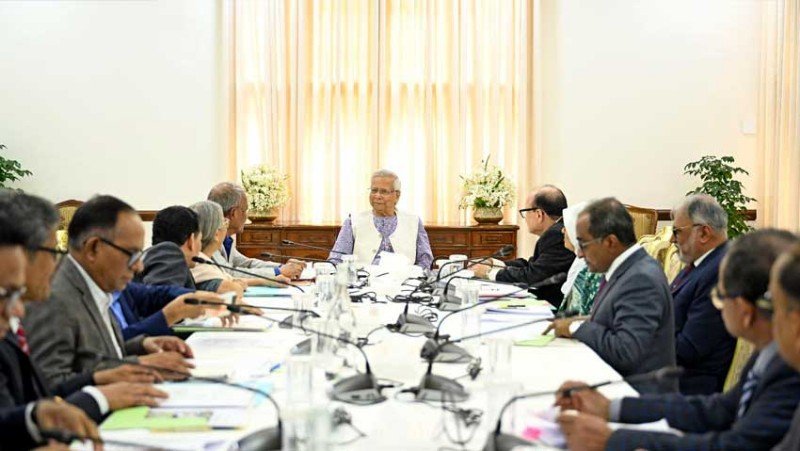
Chief Adviser Professor Muhammad Yunus has raised serious concerns about chemical contamination in food and its threat to public health, urging all stakeholders to work together to tackle the crisis.
He made the call at a meeting held at the state guest house Jamuna, where participants discussed the presence of harmful chemicals in food, the context behind rising contamination and strategies to curb food adulteration.
The meeting was attended by advisers on Agriculture and Home Affairs, Food, Health, Fisheries and Livestock, and National Security, along with the Chief Adviser’s senior officials, secretaries of relevant ministries and heads of institutions including Bangladesh Standards and Testing Institution (BSTI), Department of National Consumer Rights Protection, Bangladesh Food Safety Authority (BFSA) and Atomic Energy Commission.
During the meeting, officials discussed the risks of foodborne diseases, contamination and strategies to manage the crisis.
Professor Yunus highlighted that food contamination affects children, parents, and the wider population and stressed that urgent, coordinated action was needed.
He said the government would decide which measures require immediate implementation and would take emergency steps accordingly.
He also instructed all relevant agencies to submit written proposals within a week outlining the necessary measures to combat food contamination.
Representatives from Bangladesh Food Safety Authority presented alarming findings, revealing that millions of children in Bangladesh suffer from foodborne illnesses each year and that lead contamination poses a significant threat to children’s health, affecting the brain, liver, kidneys, bones and teeth, and impairing mental development.
Studies also showed that harmful substances such as heavy metals, pesticide residues, radioactive materials and biological contaminants are present in food.
National research collected samples of water and fish from different regions and detected hundreds of types of drugs, pesticides, and PFAS compounds.
UNICEF surveys indicated that over 35 million Bangladeshi children are exposed to lead, while five percent of pregnant women are also affected.
The meeting further discussed the uncontrolled use of antibiotics in poultry and livestock, which can enter the human body if animals are marketed before the required withdrawal period. Officials noted that while larger farms follow regulations, some hidden operations continue unregulated, posing risks to consumers. Strategies to monitor poultry farms and prevent the illegal use of pesticides in agriculture were reviewed.
The Food Adviser emphasized the importance of public awareness and media involvement to ensure that the food consumed is safe and highlighted the need to include food safety education in school curricula.
The Chief Adviser’s senior assistant, Sayedur Rahman, noted that public universities have laboratories capable of testing food contamination and coordinated research could support rapid interventions.
The meeting concluded with a call for immediate, collaborative action across all relevant agencies to safeguard public health and ensure food safety.