Weekly Bangla Mirror | Bangla Mirror, Bangladeshi news in UK, bangla mirror news
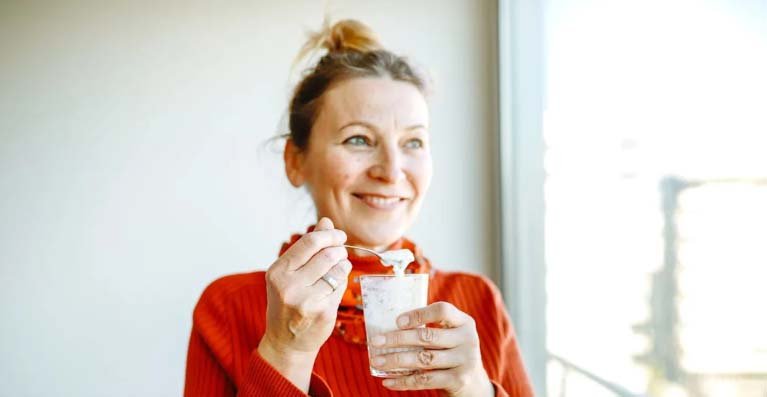
Collected Photo
Say what you want about celebrities, but it’s largely thanks to many high-profile women speaking out and discussing their experiences of the menopause – we’re looking at you Emma Thompson, Davina McCall and Kirsty Wark – that it’s finally stopped being seen as a taboo, ‘hushed-tones-only’ topic.
If you’re going through the perimenopause – the stage before ‘The Change’ (why it’s referred to as such an ominous euphemism, who knows) that typically kicks in around your mid-40s – or the menopause, knowing what to expect and how to navigate the maze of hormones is essential.
As Women’s Health readers, you’ll know that the menopause is something every woman will experience. It’s a natural and inevitable part of ageing. We can choose to have children (or not), or to take hormonal contraceptives that stop our menstrual cycles (or not), but eventually we will all experience the menopause.
The menopause is ‘official’ when a woman hasn’t had a period for 12 months. For most women, this is around the age of 51, with 95% of women finishing their reproductive lives between the ages of 45 and 55.
Perhaps you’ll know a bit about the science, too. Falling oestrogen levels cause ovulation to halt, signalling the end of your reproductive years. Declining oestrogen levels are also thought to be the main driver of menopause symptoms, which can include hot flushes, irritability, palpitations, tiredness, poor sleep, brain fog, low libido and vaginal dryness.
‘As with any condition, menopause symptoms vary greatly from woman to woman,’ says GP and menopause specialist Dr Louise Newman. ‘As does how long they last. Some women may experience signs of the menopause for a few years; for others, they may last decades. The younger you are, or if you’ve had your ovaries removed, typically, the more severe they are.’
But before you order a Dyson fan on next-day delivery, did you know that there’s potential for some symptoms to be reduced by what you eat?
What foods should you eat during menopause?
Following a Mediterranean-style diet – olive oil as the primary fat source, plus plenty of fruit, vegetables, legumes, whole grains and fish – is arguably the gold-standard diet for health full stop, but it may also be particularly beneficial during menopause.
‘It’s a way of eating, not a written-in-stone diet, and can be adjusted according to taste, budget and preferences,’ says Emma Bardwell, registered nutritionist and co-author of The Perimenopause Solution.
‘In a nutshell, all women over 40 really need to be thinking about eating for their heart, brain and bone health,’ says Bardwell.
Can food help ease menopause symptoms?
The good news is there’s evidence to suggest that making changes to what you eat can help reduce menopausal symptoms.
Not only has the Mediterranean diet been linked with fewer menopause symptoms – a 2013 cohort study of more than 6,000 women showed that following a Mediterranean diet reduced the risk of vasomotor menopausal symptoms (hot flushes and night sweats) by about 20% – a 2018 study found that post-menopausal women eating this way had higher bone density and muscle mass, both of which can decline during menopause.
The most recent evidence on the impact diet can have on menopausal symptoms comes from a team at King’s College London and ZOE, the science and nutrition company. The researchers analysed data from 70,000 women and found that eating 30 plants a week significantly reduces menopause symptoms, including hot flushes and mood swings. That was the case even among women whose BMI was in the overweight or obese category.
Here, then, are some key foods to include in your diet d