Weekly Bangla Mirror | Bangla Mirror, Bangladeshi news in UK, bangla mirror news

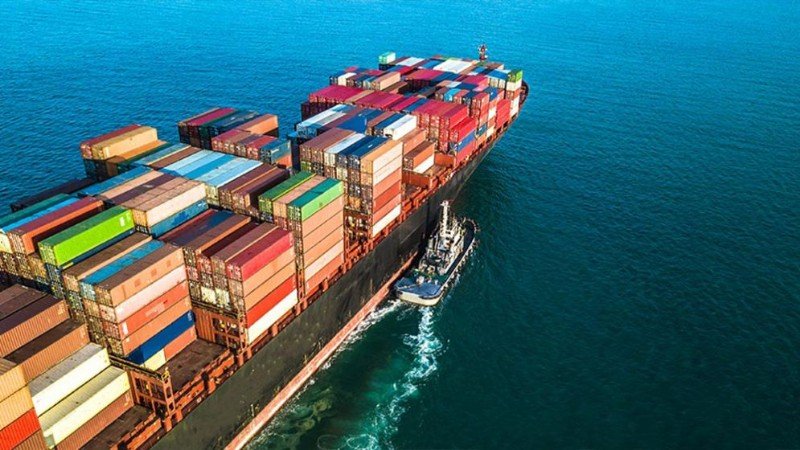
Iran’s Islamic Revolutionary Guard Corps (IRGC) has announced the formal closure of the Strait of Hormuz — one of the world’s main energy shipping routes — in protest at what it described as threats to assassinate Iran’s Supreme Leader, Ayatollah Ali Khamenei. It also warned that any vessel attempting to pass through the strait in defiance of the restriction would be targeted.
Meanwhile, the ongoing conflict involving Iran, Israel and the United States has led to near-total disruption of air routes across parts of Asia, the Middle East and Europe in recent days. More than 500 flights have been cancelled, leaving thousands of passengers stranded at airports worldwide. Air cargo services have also been severely affected. Global oil producers have already announced increases of at least $20 per barrel.
Major stock markets, including those in the United States and the United Kingdom, have experienced sharp volatility for several consecutive days. Bangladesh’s stock market also saw a significant collapse yesterday in line with global trends. The stock market in London marked its steepest decline in a month, while Japan’s market has dropped by more than 7 per cent in recent days. China has been the exception, with its main indices remaining in positive territory.
The conflict has also pushed up global prices of wheat, maize and soybean oil. Analysts warn that a prolonged war could seriously disrupt global food supply chains, potentially driving up food prices and causing acute shortages in some regions.
Experts say the Middle East has entered one of the most volatile phases in global politics, with the potential to reshape the world economy. They caution that if the Iran-Israel conflict drags on, even distant regions such as South Asia will face multifaceted consequences. Although Bangladesh is not directly involved in the war, it may face significant economic and psychological risks. A prolonged conflict could destabilise the country’s macroeconomic conditions, with indirect effects potentially proving more severe than direct ones.
Professor Dr Rafiuddin Ahmed of Dhaka University’s Department of Marketing said that if Iran withstands the pressure for another week, the United States could find itself in difficulty, forcing a strategic rethink in the Middle East. He warned that the economic fallout could be so severe that poorer countries like Bangladesh would struggle to cope. “Prices of oil and other essentials would soar. The impact could be as grave as, if not worse than, the coronavirus pandemic and may persist for years. Air fares and the overall cost of running the country would rise many times over, making survival increasingly difficult,” he said.
Meanwhile, stakeholders in Bangladesh’s readymade garment sector fear the industry will bear the brunt of the crisis. Global trade has already been thrown into disarray, and local businesses are gripped by anxiety. Experts warn that if the conflict drags on, the country’s ongoing economic slowdown could deepen further. Analysts say that, should the war become prolonged, the damage to the global economy could surpass the shock experienced during the Covid-19 pandemic.
Mohammad Hatem, President of the Bangladesh Knitwear Manufacturers and Exporters Association (BKMEA), said export earnings from the garment sector have been declining steadily for the past seven months. “We had hoped to overcome this negative trend after June, but if the Iran–Israel war continues, that recovery may not materialise,” he said, adding that the current situation could further accelerate the downturn.
Analysts note that, as Gulf states do not possess defence systems as advanced as Israel’s, Iran has chosen them as easier targets. Attacks on major oil refineries have compounded the crisis in the Middle East, striking at the core driver of the region’s economies. Following a drone strike, Saudi Arabia shut down its largest oil refinery, Saudi Aramco’s Ras Tanura facility, which has a daily production capacity of 550,000 barrels.
Qatar has also suspended liquefied natural gas (LNG) production after two Iranian drones struck a QatarEnergy facility. Qatar accounts for around 20 per cent of global LNG supply and is the world’s second-largest LNG exporter after the United States, playing a crucial role in balancing demand in Asian and European markets. Some 82 per cent of its customers are in Asia.
Experts further warn that joint US-Israeli strikes on Iran and Tehran’s retaliatory attacks could significantly affect employment opportunities for Bangladeshis in the Middle East, while remittance inflows may decline sharply. Nearly 60 per cent of Bangladeshi migrant workers are employed in the region, which accounts for 49 per cent of the country’s total remittances. Iran has reportedly launched missile attacks on US bases in Saudi Arabia, the United Arab Emirates, Qatar, Oman, Kuwait, Bahrain, Yemen and Iraq — countries hosting around four million Bangladeshi workers. If the conflict persists, job losses could follow, dealing a severe blow to remittance inflows, analysts cautioned.