Weekly Bangla Mirror | Bangla Mirror, Bangladeshi news in UK, bangla mirror news

The World Health Organization (WHO) has classified Bangladesh as being at high risk for measles outbreaks following a sharp rise in infections and related fatalities across the country.
In a comprehensive risk assessment report released on Thursday, the UN health agency expressed deep concern over the escalating health crisis and urged the government to implement immediate countermeasures to curb the spread.
The assessment was based on surveillance data provided by Bangladesh’s National IHR Focal Point on April 4.
According to the WHO, the high-risk status is driven by a widening immunity gap caused by a significant number of unvaccinated children.
The report highlights that the nationwide supplementary immunization program has remained irregular for the past five to six years, while a shortage of the MR (Measles-Rubella) vaccine in the previous fiscal year further weakened public immunity.
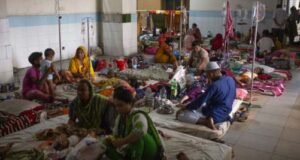
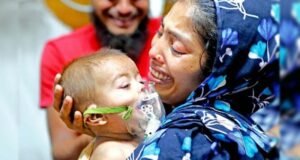
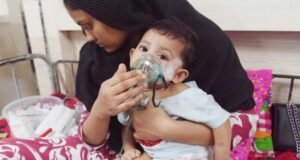
Recent data paints a grim picture of the situation. Between March 15 and this Thursday, 39 people “nearly all children “died from confirmed measles, with Dhaka division recording the highest toll at 25 deaths.
Additionally, 194 individuals died with measles-like symptoms, including 90 in Dhaka and 66 in Rajshahi.
The WHO confirmed that the disease has reached 58 out of 64 districts across all eight divisions, predominantly affecting children under the age of five.
Beyond national borders, the WHO assessed the regional risk for Southeast Asia as high, while the global risk remains moderate.
The agency warned that Bangladesh’s porous borders with India and Myanmar, coupled with frequent population movement, increase the likelihood of cross-border transmission. Border areas like Jashore and Chapainawabganj have been identified as specific hotspots for the virus.
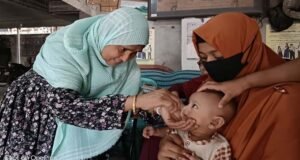
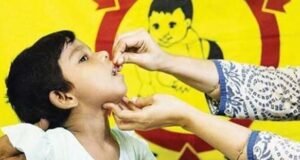
To combat the surge, the WHO recommended that Bangladesh achieve at least 95 percent vaccination coverage nationwide.
The agency also advised strengthening surveillance at border entry points to detect imported cases and improving isolation protocols within hospitals.
Furthermore, it emphasized the urgent need to prioritize vaccinations for high-risk groups, including healthcare workers and employees in the tourism and transport sectors.