Weekly Bangla Mirror | Bangla Mirror, Bangladeshi news in UK, bangla mirror news
Collected Photo
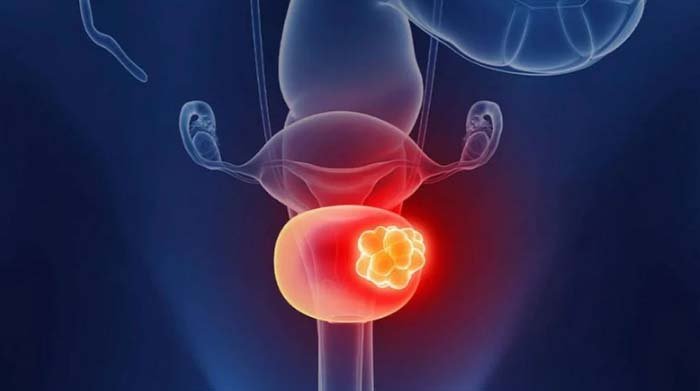
Researchers at the University of Birmingham are testing a new non-invasive urine test, named the “Galius Test,” capable of detecting bladder cancer in its early stages without the need for invasive procedures.
Bladder cancer risks increase with age, particularly among individuals suffering from recurrent urinary tract infections, diabetes, or renal complications. Key symptoms include hematuria – where urine appears red, pink, or dark brown – which warrants immediate medical evaluation.
Currently, cystoscopy remains the primary diagnostic tool for bladder cancer. The procedure involves inserting a specialized optical scope through the urethra into the bladder, a method that can cause significant physical discomfort and distress to patients.
The Galius Test operates by analyzing urine samples to identify specific proteins secreted when cancer cells proliferate in the bladder.
In addition to protein identification, the assay analyzes targeted genetic alterations associated with malignancy. Researchers state that the test can identify approximately 450 mutations across 23 specific genes.
This comprehensive genomic mapping enables clinicians to not only determine the presence of cancer, but also evaluate its disease stage and severity.
Clinical trials involving more than 1,000 participants across England and Scotland demonstrate promising preliminary results. Researchers report that the Galius Test successfully detected bladder cancer with an accuracy rate of at least 92 per cent.
However, the diagnostic tool remains in the clinical trial and research phase. Experts note that further empirical validation is required before the test can be fully integrated into standard medical practice as a complete replacement for cystoscopy.