Weekly Bangla Mirror | Bangla Mirror, Bangladeshi news in UK, bangla mirror news
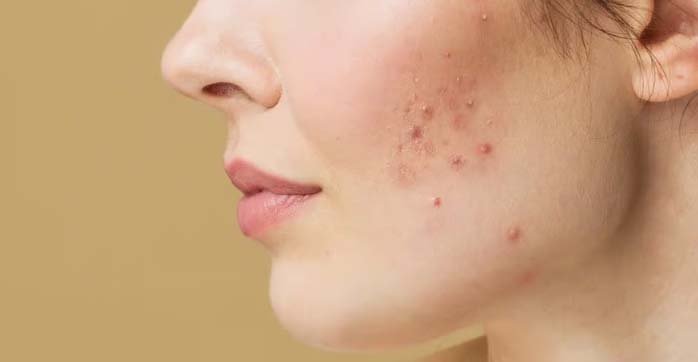
Collected Photo
Gillian Maegan Montalbo had only a few pimples on her forehead and nose during her teenage years. But after entering the workforce, her acne returned and became more severe.
Breakouts on her cheeks and chin made the Philippines-based marketer and content creator feel uncomfortable making eye contact with her bosses.
“It really took a toll on my self-esteem and my self-confidence,” Montalbo said.
Although acne is commonly associated with adolescence, adults can also develop it. Breakouts may appear on the face, chest, shoulders and back. The causes and severity vary from person to person, and acne can leave dark spots and scars that take longer to heal.
Dermatologists recommend seeking professional help when breakouts persist or cause changes in skin colour or texture.
“We know how to treat acne. We know the cause of it. So don’t suffer alone,” said Dr Crystal Aguh, a dermatologist and director of the Ethnic Skin Program at Johns Hopkins School of Medicine.
Teenagers commonly develop acne on their foreheads, noses and cheeks. Adults, particularly women, may experience hormonal acne around the jawline and chin, Aguh said. Steroid use can also trigger breakouts.
Acne develops when tiny openings in the skin become clogged with oil, bacteria and dead skin cells. While occasional pimples may disappear within weeks or months, persistent or spreading breakouts may indicate acne, a medical condition.
“Essentially, you’re not getting a break from a breakout,” Aguh said.
Genetics, hormones, environmental factors and diet can all contribute to acne. Consuming excessive amounts of dairy may also play a role. Facial and body acne share similar causes, although skin bacteria can be more influential in body breakouts.
Acne can appear as small, painless white bumps or dark spots known as whiteheads and blackheads. More severe cases may involve painful red bumps and deep cysts, a feature of cystic acne.
Treatment options range from creams to medication
Dermatologists strongly advise against squeezing or picking pimples, as doing so can worsen inflammation, spread acne and increase the risk of scarring.
“Everyone wants to pick and squeeze. That will almost always make things worse,” said Dr Lauren Fine, founder of Fine Dermatology in Chicago.
Aguh said people with darker skin may be more likely to develop lasting dark marks because their skin can produce extra pigment in response to inflammation.
Acne treatments include over-the-counter products and prescription medicines. Treating facial acne can be easier than treating breakouts elsewhere on the body, as applying creams to hard-to-reach areas such as the back can be difficult.
For mild facial acne, dermatologists may recommend face washes and creams containing benzoyl peroxide, salicylic acid or retinoids such as adapalene.
People with frequent breakouts may need stronger treatments, including prescription antibiotics or medicines containing tretinoin. Isotretinoin may be considered for severe cystic acne or cases that do not respond to other treatments.
Treatment for hormonal acne in adult women may differ from that used for teenagers. Options can include birth control pills to help regulate hormones or medicines such as spironolactone.
Cortisone injections may quickly reduce individual inflamed pimples, but they are not a long-term solution, Fine said.
Pimple patches containing hydrocolloid, a gel-like material that absorbs fluid, may help protect some pimples and discourage picking. However, the patches are generally more suitable for mild acne. Aguh said they are not appropriate for every type of breakout, while Fine noted that some of her patients had experienced skin discolouration after using them.
Dark spots and scars may take longer to heal
Products containing glycolic acid, including exfoliants and face washes, may help fade dark marks. Over-the-counter adapalene products and retinol creams can also improve skin appearance.
For more severe scarring, dermatologists may recommend treatments such as lasers that target deeper layers of the skin.
Finding the right treatment can take time, and visible improvements may take even longer. Some people also experience an initial increase in breakouts, known as skin purging, when starting certain treatments as clogged pores come to the surface.
Montalbo’s acne cleared within a year of consulting a dermatologist, but the scars remained. She then had to work on rebuilding her confidence.
She said having supportive people around her helped her through the most difficult periods. Her father, who had also struggled with acne, encouraged her to seek medical advice and find suitable products.
A close friend also travelled abroad with her for a holiday during her worst breakouts and casually mentioned that she had never even noticed Montalbo’s acne.
“When you are with the right people, they won’t mind how you look,” Montalbo said. “Because to them, what’s important is how you treat them.”