Weekly Bangla Mirror | Bangla Mirror, Bangladeshi news in UK, bangla mirror news
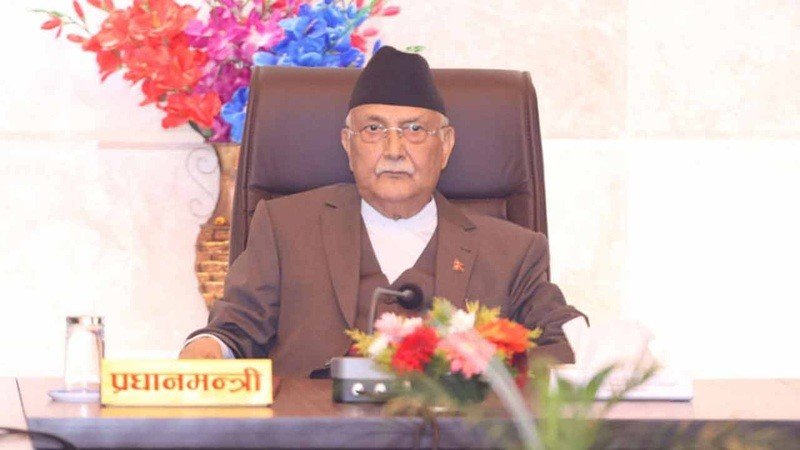
Nepal’s Prime Minister K.P. Sharma Oli resigned on Tuesday amid escalating nationwide protests against government corruption and suppression of free speech, his aide confirmed.
The resignation comes a day after at least 19 people were killed and over 100 injured during violent clashes sparked by a controversial ban on social media.
“The PM has quit,” Oli’s aide Prakash Silwal told Reuters, signaling a new phase of political uncertainty in the Himalayan nation, which has long grappled with instability since abolishing its monarchy in 2008.
The government had imposed an indefinite ban on social media platforms last week, claiming national security concerns. However, the move sparked outrage, particularly among Nepal’s youth, who quickly organized mass demonstrations dubbed “Gen Z protests.”
The unrest turned deadly on Monday as protesters attempted to storm parliament in Kathmandu. Police responded with tear gas and rubber bullets, leading to violent confrontations. In response to the growing crisis, the government lifted the social media ban — but the damage was already done.
Despite an indefinite curfew, angry crowds returned to the streets of Kathmandu on Tuesday, setting fire to tyres, clashing with riot police, and even targeting the homes of politicians. Local media reported that some ministers had to be rescued by military helicopters. These reports have not been independently verified.
“We are still standing here for our future,” protester Robin Sreshtha told Reuters TV. “We want this country to be corruption-free so that everyone can access education, hospitals, and a bright future.”
Flights arriving from the southern side at Kathmandu’s Tribhuvan International Airport were halted due to poor visibility caused by smoke from fires set by protesters, according to aviation official Gyanendra Bhul.
Demonstrations have also spread beyond the capital to towns across Nepal, including areas near the Indian border, where protesters have reportedly begun marching towards Kathmandu to join the movement.
Earlier in the day, Oli called an all-party meeting, urging for peaceful dialogue and stating that violence was not in the nation’s interest. But his appeal came too late to calm the public fury.
The youth-led protests reflect deep frustration with the government’s failure to address corruption, rising unemployment, and lack of economic opportunity — issues that have plagued Nepal for years but have come to a head under Oli’s administration.
With Oli’s resignation, Nepal faces renewed political uncertainty as it struggles to navigate the fallout of its worst civil unrest in decades.