Weekly Bangla Mirror | Bangla Mirror, Bangladeshi news in UK, bangla mirror news

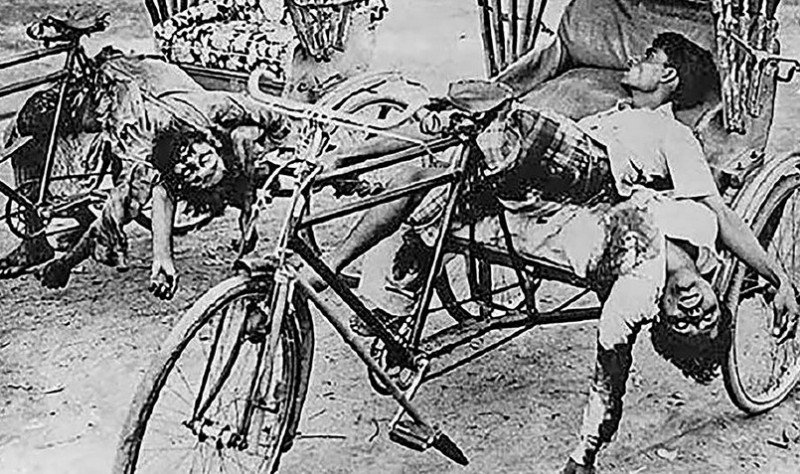
The nation is solemnly observing Genocide Day on Wednesday (March 25) various programmes commemorating the brutal crackdown by Pakistani occupation forces and their local collaborators on unarmed Bengalis during the night of March 25, 1971, as part of Operation Searchlight.
The Jatiya Sangsad (Parliament) unanimously adopted a resolution on March 11, 2017, to observe March 25 as Ganohatya Dibas (Genocide Day). This decision was subsequently endorsed by the Cabinet at a meeting chaired by then-Prime Minister on March 20, 2017.
The government has also directed that no lighting or decorative illumination will be allowed on March 25 at important government, semi-government, autonomous, and private buildings. In line with energy conservation amid the ongoing power crisis, the Ministry of Home Affairs has stated that March 26, Independence and National Day, will also be observed without nationwide illumination.
The government has planned a series of state-level programmes, including educational and memorial activities, documentary screenings and exhibitions, seminar and Religious Observances.
Discussion sessions and memorial events will be held at schools, colleges, universities, madrasahs, and technical institutes, featuring eminent personalities and freedom fighters. These programmes aim to highlight the genocide and honor the martyrs of the Liberation War.
Rare photographs and documentaries will be displayed in all city corporation areas, including Dhaka, from 12noon, offering the public insight into the tragic events of 1971.
Special prayers will be offered at mosques after Zuhr prayers or at convenient times. Other places of worship across the country will hold similar ceremonies in memory of the victims. On the night of March 25, building illuminations will be avoided as a mark of respect.
The March 25 genocide was a barbaric and tragic chapter in the history of the Bengali nation. Countless people, including students, teachers, intellectuals, members of law enforcement, and the then East Pakistan Rifles (EPR), were martyred. Political, social, and cultural organizations-including the ruling BNP and opposition Jamaat-e-Islami-have organized various programmes to mark the occasion. National newspapers will publish special supplements, and television channels will air dedicated programmes highlighting the significance of the day.
During the night of March 25, 1971, the Pakistani military junta carried out mass killings in Dhaka as part of its strategy to prevent the Awami League from assuming office following its victory in the 1970 elections. The attack, known as Operation Searchlight, targeted Bengali members of the EPR and police, students, teachers, and ordinary citizens. Homes and businesses were destroyed, looted, and set on fire, leaving a trail of devastation.
The Ministry of Liberation War Affairs will organize cultural programmes, including Geeti Natya (musical dramas) based on the genocide and Liberation War. Discussions at all educational institutions will allow heroic freedom fighters and notable personalities to share their experiences with students.
Special prayers (munazat) will be offered at mosques after Zuhr prayers, and other places of worship will hold separate ceremonies to seek eternal peace for the martyrs. Similar programmes will take place at district and upazila levels, as well as in Bangladesh missions abroad.