Weekly Bangla Mirror | Bangla Mirror, Bangladeshi news in UK, bangla mirror news
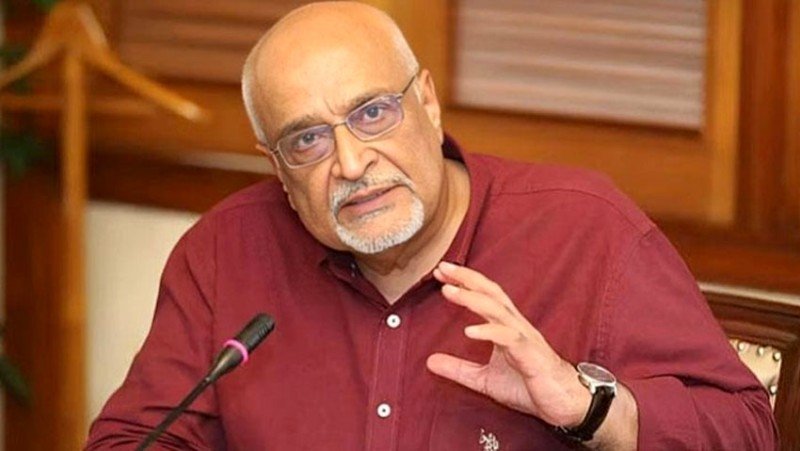
Economist and Distinguished Fellow at Centre for Policy Dialogue (CPD), Dr. Debapriya Bhattacharya, has said that the trade agreement signed between Bangladesh’s interim government and the United States undermines the country’s energy sovereignty.
He made the remarks while speaking as the chief guest at a pre-budget shadow parliament debate organized by Debate for Democracy in the capital.
Dr. Debapriya criticized what he described as the restrictive nature of the agreement, arguing that it limits Bangladesh’s independence in making energy-related decisions.
“The trade agreement with the US is compromising our energy sovereignty. While the new government claims it will not pursue country-specific foreign policies, this agreement dictates from whom we can purchase oil. Requiring permission for such decisions is a direct hit to our independence,” he said.
The CPD Distinguished Fellow, who also serves as Convener of Citizens’ Platform for SDGs, Bangladesh, expressed concern over what he described as stagnation in ongoing economic reforms.
He questioned delays in the release of International Monetary Fund (IMF) loan instalments and the lack of progress in implementing reform proposals developed during the final phase of the interim government.
“A white paper on the economy has been prepared and various sector-specific reform books have been published. It seems these proposals are now destined for the museum,” he remarked, urging the government to move forward with the reform commission outlined in BNP’s election manifesto.
Describing the energy and banking sectors as the “two lungs” of the economy, Dr. Debapriya said both are currently under severe strain, affecting overall economic stability.
He also referred to Public Financial Management (PFM); covering revenue, expenditure, and deficit financing, as the “heart” of the economic system.
He criticized past energy policies, particularly over the last 17 years, calling them “controversial and misleading.”
According to him, insufficient investment in domestic gas exploration and the weakening of institutions such as BAPEX have contributed to an import-dependent energy structure influenced by vested interests.
Dr. Debapriya further raised concerns about the financial sustainability of proposed government welfare initiatives, advising policymakers to adopt a longer-term planning approach in the upcoming national budget.
He also made three key recommendations for the energy sector: ensuring that taxes collected from the poor are not used to subsidize the wealthy, prioritizing investment in domestic energy exploration and securing energy imports at affordable rates.
Debate for Democracy Chairman Hassan Ahmed Chowdhury Kiron, who presided over the event, noted that the current administration has inherited a fragile economy further challenged by global geopolitical tensions, particularly in the Middle East. He added that disruptions in energy supply are increasing production costs and raising the cost of living.
The event also featured a debate competition on the motion “Economic security can be achieved by ensuring energy security in the next budget,” where the team from Jatiya Kabi Kazi Nazrul Islam University emerged victorious over Stamford University Bangladesh.