Weekly Bangla Mirror | Bangla Mirror, Bangladeshi news in UK, bangla mirror news
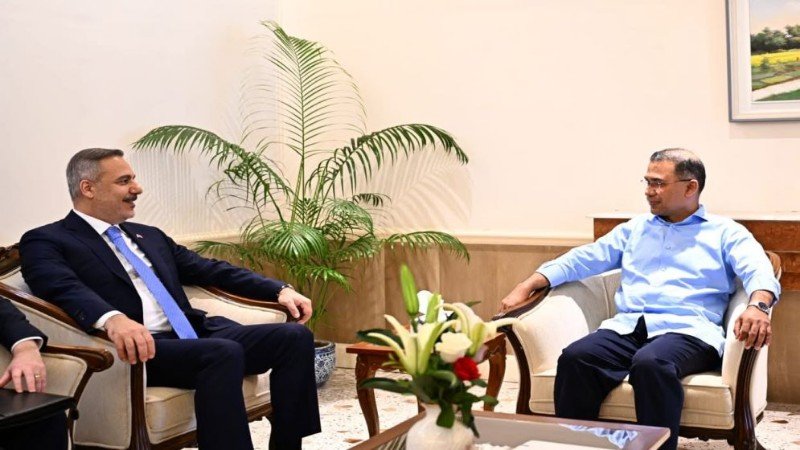
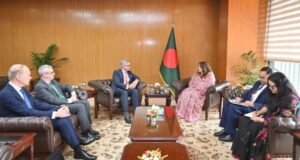
Turkish Foreign Minister Hakan Fidan’s recent visit to Dhaka has triggered widespread discussion over Ankara’s growing interest in expanding defence industry cooperation with Bangladesh.
Diplomatic and military analysts believe that deeper collaboration could pave the way for the establishment of manufacturing facilities in Bangladesh for military equipment, including drones, tanks, and various electronic defence systems, BBC Bangla reported.
Bangladesh had already signed an agreement with a Turkish drone manufacturing company a few years ago for the procurement of unmanned aerial vehicles.
During the final day of his three-day visit on Saturday, Fidan met Prime Minister Tarique Rahman. While defence cooperation dominated informal discussions, no specific provisions on military cooperation were included in any signed memorandum of understanding. Instead, an MoU was signed on cooperation in cultural heritage preservation.
However, Foreign Minister Khalilur Rahman said discussions also covered the possibility of a Free Trade Agreement (FTA) and Preferential Trade Agreement (PTA) between the two countries.
At a joint press conference, the Turkish foreign minister reportedly referred to defence cooperation as a key area to help achieve a bilateral trade target of $2 billion.
Officials did not outline specific areas of defence cooperation during the briefing. Bangladesh, however, proposed the establishment of a Turkish special economic zone, as well as collaboration on an international-standard hospital and nursing institute in Dhaka.
Diplomatic sources say defence industry cooperation between the two countries has been under discussion for several years. In line with this, Bangladesh signed a drone procurement deal with a Turkish company in 2022.
Turkey’s growing prominence in the global defence market—especially its combat-proven drones and rapidly expanding electronic warfare industry—has increased its attractiveness as an alternative supplier for Bangladesh’s military procurement.
Analysts suggest Bangladesh is seeking to diversify its defence imports beyond China, while Western systems remain expensive. Former ambassador Humayun Kabir said that cooperation with Turkey could therefore be a “positive development.”
Military analyst Major (retd) Md Emdadul Islam said Turkey has demonstrated strong capabilities in drone and tank production, offering cost-effective yet advanced systems. He added that joint production and technology transfer could mirror defence partnerships seen in other countries, such as Pakistan’s collaboration with China in aircraft manufacturing.
Bangladesh has previously acquired mine-resistant vehicles, multiple rocket launch systems, ground surveillance radars, armoured vehicles, jammers, missile systems, and other military hardware from Turkey, much of it during the previous Awami League government.
According to diplomatic sources, Dhaka is now interested in producing some of this equipment domestically with Turkish assistance, particularly drones. There is reportedly limited political or military opposition to expanding such cooperation.
Turkey has also expressed interest in increasing training opportunities for Bangladeshi military officers, particularly in electronic warfare and modern battlefield systems. Bangladesh, meanwhile, is prioritising technology transfer to enhance long-term defence capability.
Analysts argue that strengthening military capacity is also important for Bangladesh’s peacekeeping contributions and regional security preparedness. “Given global conflicts such as the war in Ukraine and tensions involving Iran, strengthening defence capability is essential,” said Emdadul.
Experts also note that Turkey has been steadily expanding its influence across Muslim-majority countries, including support for Pakistan on Kashmir and Bangladesh on the Rohingya issue, as part of its broader geopolitical strategy.
Turkey has previously stated its ambition to include Bangladesh among its arms export destinations. The country currently produces a wide range of small arms, rockets, missiles, and advanced electronic warfare systems, with drones remaining its most prominent export product.
With increasing global demand for missile systems and unmanned technologies, Turkey is also positioning itself as a major future exporter in the global defence industry.