Weekly Bangla Mirror | Bangla Mirror, Bangladeshi news in UK, bangla mirror news
Collected Photo
The country is observing Historic July Martyrs’ Day on Thursday (July 16), commemorating those who lost their lives during the 2024 quota reform movement, which later evolved into a nationwide mass uprising.
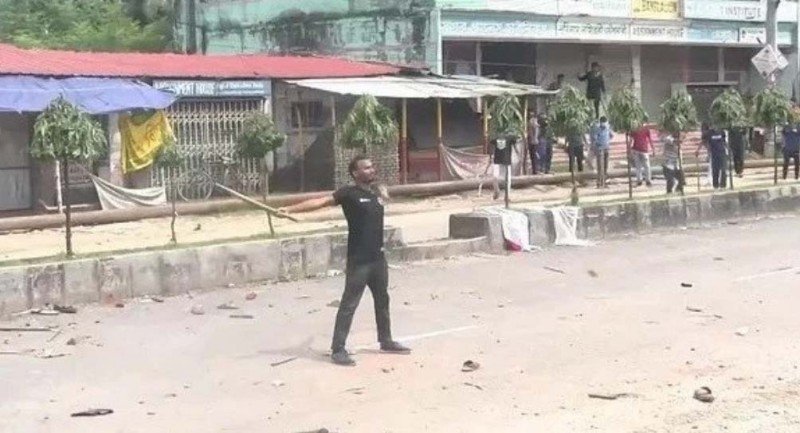
On that day, at least six people were killed, including Abu Sayeed, a student of the Department of English at Begum Rokeya University in Rangpur, who was fatally shot by police, and Mohammad Wasim Akram, a college student in Chattogram.
A widely circulated image of Abu Sayeed standing with his arms outstretched in front of police gunfire became a defining symbol of the movement, sparking nationwide outrage.
The quota reform protests subsequently transformed into a broader anti-government movement, culminating in a student-led mass uprising that resulted in then Prime Minister Sheikh Hasina leaving the country on August 5, 2024.
The day is being observed across the country through tributes, remembrance, and renewed commitments to strengthening democracy and honoring the sacrifices of those who lost their lives during the movement.
President Mohammed Shahabuddin and Prime Minister Tarique Rahman issued separate messages marking the occasion.
In his message, President Shahabuddin paid tribute to those injured during the movement, noting that many young protesters continue to live with permanent disabilities. He also expressed sympathy for the families of the martyrs and thanked all participants in the July uprising for their sacrifices.
He described the July uprising as an eruption of public anger against years of inequality, corruption, enforced disappearances, extrajudicial killings, suppression of voting rights and authoritarian rule. “The July uprising was not the achievement of any individual, party or group; it was the collective aspiration, courage and sacrifice of people committed to democracy,” he said, adding that the martyrs’ sacrifices reaffirmed that the people are the ultimate source of state power.
In a separate message, Prime Minister Tarique Rahman described 16 July as an unforgettable turning point in the nation’s history. He said the unarmed but courageous resistance of students and citizens against state repression and deadly force awakened the nation’s conscience.
He particularly recalled the image of Abu Sayed standing with his arms outstretched before being shot at Begum Rokeya University, calling it a symbol of a nation overcoming fear in its struggle for democratic rights.