Weekly Bangla Mirror | Bangla Mirror, Bangladeshi news in UK, bangla mirror news
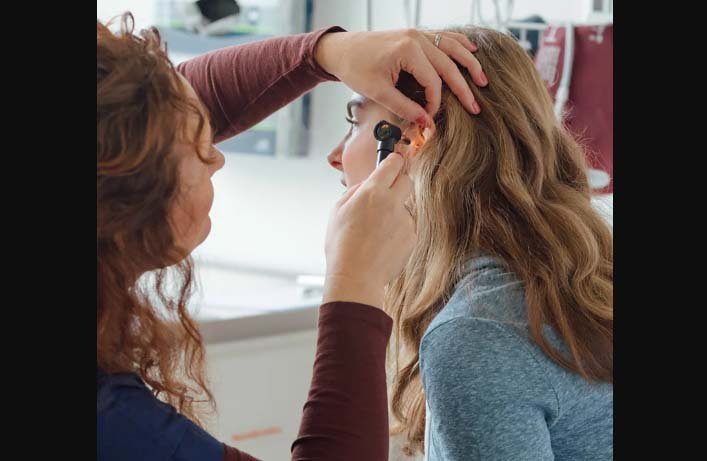
Collected Photo
It’s not just rocket launches and death metal concerts that lead to hearing loss. Many everyday activities can cause damage. Here’s what you can do to protect your ears for decades to come.
If you neglect your gym routine, you can rebuild your muscles in a matter of months through sweat and dedication. But your hearing? That’s one thing you can’t retrain. “Once it’s gone, it’s gone,” says Valerie Pavlovich Ruff, an audiologist and hearing loss specialist at the Cleveland Clinic, Ohio, in the US.
And while we’ve long known that our hearing gets worse over time, audiologists are seeing evidence of hearing loss in younger and younger patients – including teens and kids under 10.
“We’re all bad about protecting our ears when we’re younger,” says Jamie Bogle, an audiologist at Mayo Clinic in Arizona, in the US. “But those episodes add up over time, so things that we did when we were younger can show up later in life.”
And it’s not just rocket launches and death metal concerts you have to worry about – many common activities can have a surprising effect on your long-term hearing.
Read on to learn how to future-proof your ears for the decades to come.
How hearing works
Past your eardrum and deep within your inner ear is a fluid-filled chamber called the cochlea. It’s lined with thousands of tiny hair cells. On top of each cell is a tuft of dozens of delicate little bristles, and on the bottom is a neuron that feeds into the auditory nerve, which carries electrical signals to the brain.
As sound enters the ear in the form of pressure waves, these tiny hairs sway like trees in the wind. The motion of these hairs is translated into electrical impulses, which our brain interprets as sound.
Exposure to sounds that are too loud for too long acts like gale-force winds, bending or breaking these tiny hairs. And unlike your eyelashes, these don’t grow back.
“The human ear has all the hair cells it will ever have from the day you were born,” Pavlovich Ruff says. “Once you lose those cells, the loss is permanent. It can’t be fixed.”
Researchers are working on gene therapies to regrow the tiny hairs, inspired by how hair cells regenerate in some animals, such as zebrafish and chickens. But until then, the only offence is a good defence, Pavlovich Ruff says – protect what you have.