Weekly Bangla Mirror | Bangla Mirror, Bangladeshi news in UK, bangla mirror news
By former Cllr Ayesha Chowdhury:
When temperatures climb to 35°C or more, we are rightly reminded that water is a precious resource. We are asked to reduce our consumption, and hosepipe restrictions are introduced to protect supplies.
I understand the need for conservation. But as someone who has lived and worked in Beckton and who has previously served as an elected councillor in Newham, I also believe we need to ask whether we are approaching the problem in the smartest possible way.
There is a difference between wasting water and using water responsibly.
For a small garden, carrying a watering can may be perfectly reasonable. But imagine trying to keep a large garden, with mature trees, shrubs, flower beds and other plants, alive during a prolonged heatwave using only a jug or watering can. It is simply not practical for many households.
And when temperatures reach 35–37°C, the consequences can be serious. Grass may recover after drought, but newly planted trees, shrubs and established plants can suffer permanent damage or die altogether.
That does not mean we should simply turn on the hose and forget about conservation.
It means we should be investing much more seriously in water efficiency, rainwater harvesting and sustainable drainage.
I have seen the potential for this approach in Beckton.
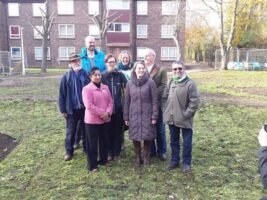
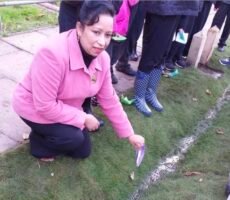
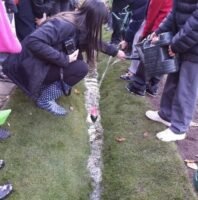
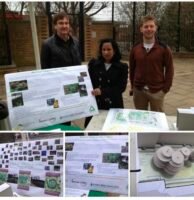
During my time as an elected councillor, before leaving office in 2022, I was involved with the University of East London in work around a rain-garden project. The principle was straightforward: rather than allowing rainwater to run away immediately into the drainage system, we could capture and manage it as part of the landscape.
This was not just an interesting environmental experiment. It demonstrated how we can rethink our relationship with water.
The University of East London has subsequently documented work involving rain gardens at Renfrew Close in Beckton, in partnership with organisations including Newham Council and Thames Water. The project uses rain gardens to receive water from roofs and hard surfaces, helping reduce runoff into the sewer system while creating green spaces with environmental benefits.
Newham’s own climate plans recognise the same principle, identifying rainwater harvesting, including water butts, as a way of reducing demand for mains water during dry periods while also helping manage heavy rainfall.
So why aren’t we doing much more of this?
Instead of allowing huge quantities of rainwater to disappear down drains during wet periods, we should be capturing it in water butts, tanks, rain gardens and other sustainable drainage systems and making it available when the inevitable dry spells arrive.
There is another uncomfortable part of this debate: leakage.
According to Ofwat, water companies in England and Wales lost around 2.869 billion litres of water every day through leakage in 2024–25.
That is an extraordinary amount of treated water.
Of course, household water use matters. Every one of us should avoid unnecessary consumption. But when we talk about saving water, we need to look at the whole system. Tackling leaks, modernising infrastructure and reducing losses from the network must be just as important as telling residents not to water their gardens.
There are also many practical measures households can take. Mulching can reduce evaporation from soil. Watering deeply and at appropriate times can make every litre more effective. Drought-tolerant plants can reduce future demand. Rainwater can be collected and stored. Where regulations allow, efficient drip or trickle irrigation can deliver water directly to plant roots rather than wasting it through evaporation or overspray.
And we should be realistic about lawns. During drought conditions, a lawn turning brown is not necessarily a disaster. It can recover when rain returns. Our priority should be protecting trees, shrubs, valuable plants and newly established vegetation.
The challenge we face is going to become more complicated. Climate change can bring both extremes: intense rainfall and prolonged periods of heat and dryness.
That means we cannot continue thinking about flooding, drainage, water supply and green spaces as completely separate issues.
The rain that causes flooding today could become part of the water resource we need tomorrow.
My experience in Beckton showed me that solutions are possible. Rain gardens are a small but powerful example of how we can work with nature rather than against it.
So yes, we should save water.
But conservation should not simply mean telling residents what they cannot do.
It should mean giving people better ways to use water intelligently.
Fix the leaks. Capture the rain. Store water locally. Improve drainage. Protect our trees and green spaces. Encourage efficient irrigation. And make every litre count.
We should not have to choose between saving water and protecting our gardens.
With better planning, we can — and should — do both.