Weekly Bangla Mirror | Bangla Mirror, Bangladeshi news in UK, bangla mirror news
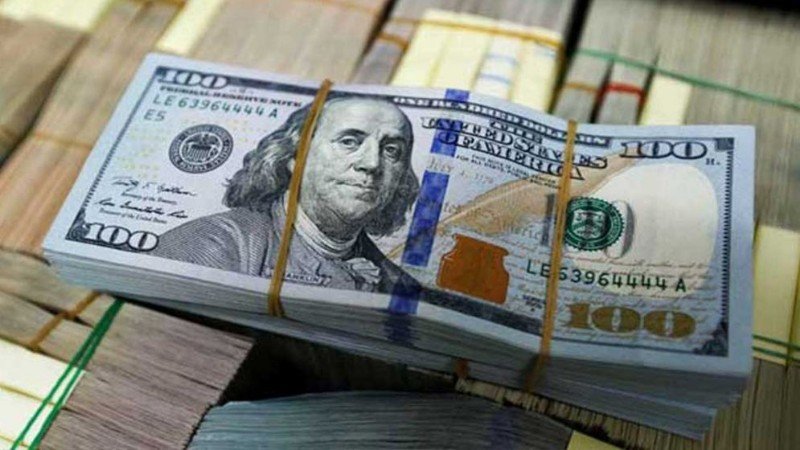
The government is set to face mounting financial pressure in the 2026–27 fiscal year, with external debt repayments expected to rise significantly amid growing economic challenges.
According to sources from the Finance Division, the government’s expenditure on foreign debt servicing could reach nearly $5 billion in FY2026–27, up from an estimated $4.80 billion by the end of the current 2025–26 fiscal year. In the previous fiscal year (2024–25), Bangladesh repaid around $4 billion in external loans.
The rising pressure is being attributed to increasing revenue shortfalls and an ongoing energy crisis. Although the government plans to reduce borrowing from domestic sources to stimulate private sector investment, this move is likely to increase reliance on foreign loans to bridge the budget deficit, further intensifying repayment obligations.
Data from the National Board of Revenue shows that Bangladesh’s tax-to-GDP ratio stands at around 8 percent—one of the lowest in South Asia. Comparable economies maintain significantly higher ratios, with India ranging between 12–19 percent depending on the state, and Sri Lanka at around 12 percent. Bangladesh’s ratio, fluctuating between 7–9 percent, continues to widen the budget deficit and strain fiscal capacity.
Prime Minister Tarique Rahman has reportedly instructed authorities to ensure strict revenue collection in the upcoming fiscal year, warning against any leniency. However, ongoing global tensions, including the Iran-Israel conflict, have added new concerns over revenue and overall economic stability.
Officials say the pressure will intensify further as grace periods for several large loans expire, requiring repayment of both principal and interest. By FY2029–30, annual foreign debt repayments could peak at around $6 billion. Over the five-year period from FY2025–26 to FY2029–30, Bangladesh is expected to repay approximately $26 billion in external debt—$18.38 billion in principal and $7.6 billion in interest. Over a longer period up to FY2034–35, this figure could nearly double to around $52 billion.
Economists warn that the situation may become increasingly complex. Former World Bank Dhaka office lead economist Zahid Hussain noted that rising debt repayments, combined with increased foreign borrowing to finance budget deficits, could heighten financial stress. He added that relying heavily on domestic borrowing could also crowd out private sector investment, making improved revenue mobilization critical.
Global financial institutions, including the International Monetary Fund and the World Bank, have already cautioned that the coming year may be more challenging for the economy. They have urged Bangladesh to boost domestic production and increase food reserves to tackle potential crises.
Since independence in 1971, Bangladesh has repaid about $40 billion in foreign loans over 54 years. However, due to increased borrowing, the end of grace periods, and declining grants, the country will need to repay $26 billion within the next five years alone—significantly increasing economic pressure.
Economists say rising global energy prices will further strain public finances. Mustafizur Rahman, Distinguished Fellow at the Centre for Policy Dialogue, stressed that strengthening the domestic economic base is essential to managing the growing burden.
Finance Division officials also pointed to several large-scale infrastructure projects as major contributors to the rising external debt, including the Rooppur Nuclear Power Plant, Padma Rail Link, Karnaphuli Tunnel, Dhaka Metro Rail, Single Point Mooring project, expansion of Hazrat Shahjalal International Airport, and the Jamuna Railway Bridge project.
Experts argue that high project costs, weak revenue management, capital flight, and limited diversification of foreign currency earnings have collectively increased Bangladesh’s external financial risks.