Weekly Bangla Mirror | Bangla Mirror, Bangladeshi news in UK, bangla mirror news
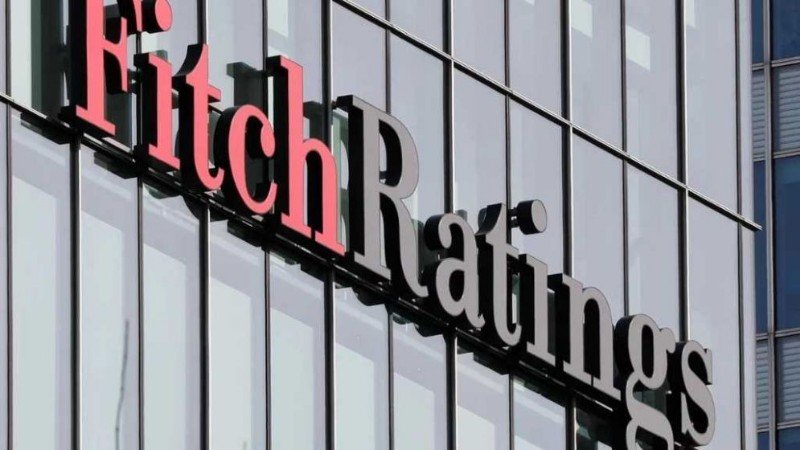
Global credit rating agency Fitch Ratings has described Bangladesh’s newly elected BNP government’s 2026-27 national budget as ambitious, warning that persistent weaknesses in revenue collection and slow progress in structural reforms could jeopardise the government’s fiscal targets.
In a recent report, Fitch said the credibility of revenue mobilisation would serve as the key test for the proposed budget. The agency noted that Bangladesh has historically struggled to raise tax revenues, making the government’s latest targets difficult to achieve without effective reforms.
The government aims to increase the revenue-to-GDP ratio to 10.2% in the new fiscal year from about 8% currently. If achieved, the figure would mark Bangladesh’s highest revenue-to-GDP ratio since 1993. To reach that goal, the government plans to raise revenue by nearly 18% over the outgoing fiscal year while increasing public expenditure by 19%.
The budget includes several measures to strengthen revenue collection, including simplifying tax compliance, narrowing tax exemptions and streamlining the value-added tax (VAT) system for small and medium-sized enterprises. It also seeks to boost non-tax revenue from state-owned enterprises, public corporations and state-owned banks.
However, Fitch cautioned that similar reform initiatives in the past delivered limited results because of weak implementation, raising doubts about the government’s ability to meet its ambitious revenue targets.
The agency also warned that election commitments could place considerable pressure on public spending. The budget allocates 29.7% of total expenditure to social protection and related sectors, while 18.7% goes to physical infrastructure development.
Fitch, however, noted that Bangladesh has traditionally underspent its budget. The agency said that pattern could help contain the fiscal deficit despite rising expenditure commitments.
Fitch viewed the government’s energy-sector reforms positively. As more than 40% of Bangladesh’s electricity generation depends on natural gas, the budget prioritises domestic gas exploration, improvements in power generation and distribution efficiency, and stronger liquefied natural gas (LNG) import infrastructure.
Against the backdrop of heightened global energy market uncertainty driven by the ongoing conflict in the Gulf region, Bangladesh has already requested a new lending programme from the International Monetary Fund (IMF).
Fitch said the current IMF programme will expire in January 2027 and expressed doubt that the final programme review would conclude under the existing circumstances. The agency also expects negotiations on a new reform programme with the IMF to take time.
As a result, Fitch said the success of the new budget and Bangladesh’s access to external financing will largely depend on the government’s ability to increase domestic revenue and implement development projects efficiently.
The agency also disagreed with the government’s economic growth forecast. While the government projects GDP growth of 6.5% in the coming fiscal year, Fitch expects growth to reach only 3.5%.
Fitch attributed the weaker outlook to persistent fragility in the banking sector, sluggish private-sector credit growth, policy weaknesses and uncertainty in the global investment environment. Even so, the agency expects lower-than-budgeted revenue and expenditure to keep the fiscal deficit close to the government’s target of 3.6% of GDP.
Looking beyond the current fiscal year, Fitch said Bangladesh’s long-term economic prospects will depend on the government’s ability to implement structural reforms effectively. The government aims to raise the revenue-to-GDP ratio to 11% by FY2030-31, increase total investment to 40% of GDP, lift foreign direct investment to 2.7% of GDP, achieve GDP growth of 8.5% and reduce inflation to 5%.
Fitch said the government must accelerate budget implementation, strengthen reform efforts and make effective use of tax incentives, investment incentives and public-private partnership initiatives to diversify exports beyond the ready-made garment sector and sustain long-term economic growth.