Weekly Bangla Mirror | Bangla Mirror, Bangladeshi news in UK, bangla mirror news
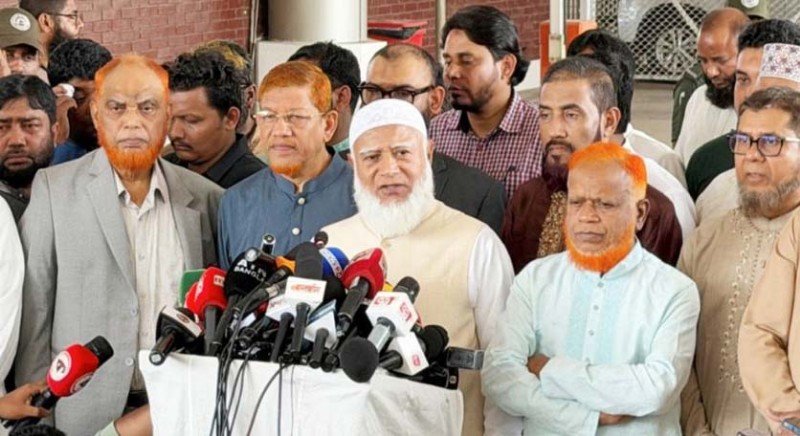
Bangladesh Jamaat-e-Islami Ameer Dr Shafiqur Rahman has said his recent visit to Japan focused on expanding development cooperation and strengthening bilateral investment, while reaffirming his party’s readiness to both support and challenge the government when necessary.
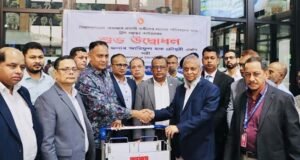
Speaking to reporters at Hazrat Shahjalal International Airport in Dhaka on Saturday after a week-long tour, Dr Shafiqur said he held a series of meetings with officials from Japan’s foreign ministry, the Japan International Cooperation Agency (JICA) and other institutions.
According to him, discussions covered infrastructure development, education exchanges, skills training, disaster management and future investment opportunities. He noted that transparency and accountability in Bangladesh’s development projects were also key themes in the talks.
Dr Shafiqur said Japan views Bangladesh as an important development partner and is keen to broaden cooperation in the coming years. He added that issues such as rural development, climate change adaptation and improving cancer care facilities were raised during his meetings.
Highlighting the state of healthcare in Bangladesh, the Jamaat leader proposed the establishment of a world-class cancer institute with Japanese support.
He argued that beyond providing treatment, a specialised institute would create opportunities for advanced medical education and help build a skilled workforce. Japanese stakeholders, he said, responded positively to the idea.
Dr Shafiqur also described Japan’s assessment of Bangladesh’s current political climate as encouraging. He said Japanese officials see the present parliament as different from its predecessor and appreciate what he called a constructive yet critical role played by the opposition.
Sustained political responsibility, he suggested, would further strengthen ties between the two countries.
Defining his party’s stance, Dr Shafiqur said Jamaat would cooperate with the government on initiatives that benefit the country but would not remain silent if national interests were threatened. “Pointing out mistakes is part of our duty,” he said, adding that the party would protest and build resistance if required.
On his return journey, Dr Shafiqur stopped in Thailand to visit 64 people injured during the July uprising who are undergoing treatment there, some for nearly a year.
He urged the Bangladeshi authorities to ensure proper medical care, rehabilitation and mental health support for the wounded.
The Jamaat chief also expressed concern over the country’s law and order situation, calling for stronger measures to tackle crime and safeguard public safety. He urged the government to closely monitor market conditions and take appropriate action to stabilise prices.
Dr Shafiqur arrived in Dhaka around noon and was received at the airport by senior party leaders, including Assistant Secretary General AHM Hamidur Rahman Azad and Dhaka Metropolitan South Ameer Nurul Islam Bulbul.
He had left for Japan on 2 May, accompanied by Central Executive Council member Saiful Alam Khan Milon and his foreign affairs adviser Barrister Mir Ahmad Bin Quasem Arman.