Weekly Bangla Mirror | Bangla Mirror, Bangladeshi news in UK, bangla mirror news

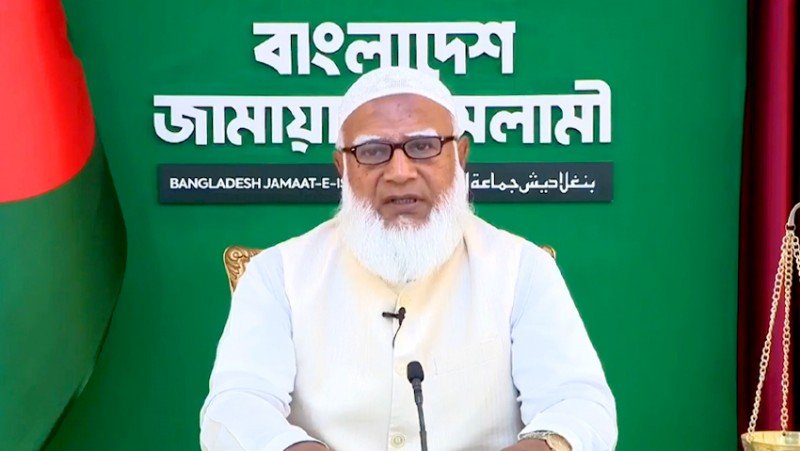
Bangladesh Jamaat-e-Islami Ameer Dr Shafiqur Rahman on Monday said the country’s younger generation is demanding a “New Bangladesh” or “Bangladesh 2.0,” driven by aspirations for justice, good governance, equality and systemic change, warning that vested political interests are resisting transformation to protect corruption and abuse of power.
Addressing the nation in a televised election and referendum speech aired on Bangladesh Television and Bangladesh Betar, Dr Shafiqur said the people want change, but a powerful group is opposing reform because change would shut down their opportunities for injustice, corruption and exploitation.
He said the youth now want a country they can proudly call “Bangladesh 2.0,” where the state belongs to all citizens, not to families, dynasties or political elites. “In simple terms, the people want change. But one group fears change, because once change comes, their path of wrongdoing will be closed and the space to deny people their rights will disappear,” he said.
Dr Shafiqur said the July movement symbolised a united national uprising against discrimination and authoritarianism, stressing that students, women, workers, professionals, political activists and members of the armed forces all stood together in protest.
He said the sacrifices of those killed and injured in July must not be wasted, and that the goal must be to build a country where people never again need to take to the streets for their basic rights.
He described the July uprising as a struggle against inequality, family-based political dominance and long-standing authoritarian rule, particularly since 2009, alleging systematic destruction of democratic institutions, voting rights and human rights through enforced disappearances, extrajudicial killings, secret detention facilities and manipulated national elections in 2014, 2018 and 2024. “July came to restore rights, dignity and justice,” he said.
Calling for national unity, Dr Shafiqur said the future of Bangladesh must be entrusted to the new generation, describing young people as hardworking, courageous, innovative and technologically skilled. He said Jamaat-e-Islami wants to work shoulder to shoulder with youth to rebuild the country and end politics of division, hatred and exclusion.
Outlining his party’s vision, the Jamaat chief said the party seeks to build a state based on justice, accountability, moral governance and equality, where government serves the people and national institutions operate with transparency and responsibility.
He said state power must not be treated as personal property or political privilege.
He pledged that if Jamaat forms the government, reforms will begin from the first day, saying party leaders would start implementing policies immediately after the dawn prayer.
He promised a state where no citizen lives in fear, regardless of religion, identity or political belief.
Dr Shafiqur said Bangladesh belongs to Muslims, Hindus, Buddhists and Christians alike, stressing that religious harmony, dignity and equal rights for all citizens are non-negotiable principles.
He warned that any attempt to attack people based on religious identity would be firmly resisted.
On governance and reforms, he said structural reforms of state institutions are urgently needed and that the post-July reform agenda must continue through democratic processes.
He urged citizens to vote “Yes” in the national referendum to support long-term institutional reforms alongside the parliamentary election.
He said Jamaat has presented a comprehensive national policy framework through policy summits and expert consultations, including input from professionals, academics, expatriates and specialists at home and abroad. These ideas, he said, are reflected in the party’s election manifesto and long-term development vision.
Criticising past governments, Dr Shafiqur accused previous ruling elites of treating the state as personal property, misusing public institutions, state resources, development projects and policies for personal and party gain.
He alleged that corruption, nepotism and political patronage networks turned development projects into tools of looting and enrichment.
He said Jamaat leaders who previously served in parliament, government and local administration were never accused of corruption, and claimed they carried out their responsibilities with honesty and professionalism.
Framing the upcoming national election as a historic opportunity, Dr Shafiqur said it offers a chance to solve long-standing problems, control corrupt networks, and build a future-oriented state.
He urged voters to decide what kind of Bangladesh they want for youth, women, workers, elderly citizens, entrepreneurs and marginalized communities.
He said Jamaat’s vision is based on five principles to embrace and five to reject. The party supports honesty, unity, justice, competence and employment, while rejecting corruption, fascism, domination, unemployment and extortion.
He described Bangladesh’s large population not as a burden but as a national asset, saying it must be transformed into skilled human resources through ethical politics, moral leadership and disciplined governance.
He stressed that no nation can progress without justice, accountability and respect for human dignity, and that women’s safety, dignity and leadership are essential to national development.
Dr Shafiqur pledged that under Jamaat governance, women would not be confined to the private sphere but would play leading roles in politics, business and public life without discrimination.
He promised a country where no mother or sister would live in insecurity.
On foreign policy, he said Jamaat would pursue balanced international relations based on mutual respect, national interest and sovereignty, while strengthening diplomatic efforts for the safe repatriation of Rohingya refugees and addressing global challenges such as climate change.
He also outlined plans for stronger engagement with expatriate Bangladeshis, including representation mechanisms to protect their rights and ensure their participation in national development and policymaking.
Calling for peaceful and fair elections, Dr Shafiqur urged all political parties to respect electoral rules, democratic competition and political rights, and thanked journalists, security forces and election officials for their roles in maintaining stability and transparency.
Concluding his address, he called on voters to support Jamaat-e-Islami candidates in the February 12 national election, urging citizens to reject the politics of the past and work together to build a new Bangladesh where dignity, justice, equality and peace define national life.