Weekly Bangla Mirror | Bangla Mirror, Bangladeshi news in UK, bangla mirror news

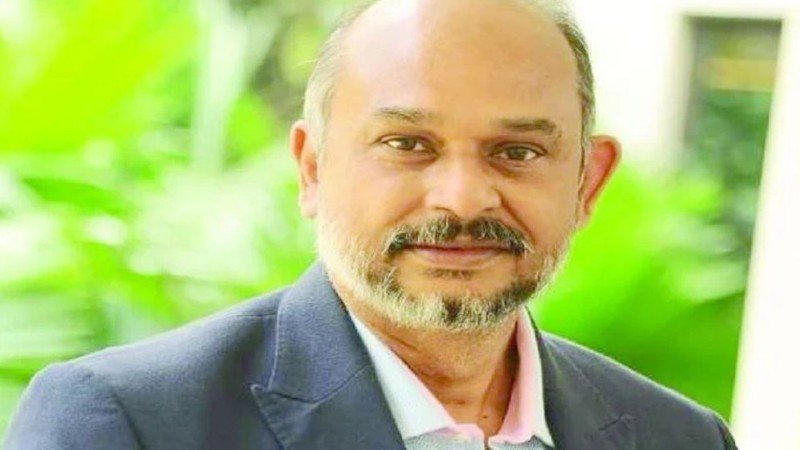
Dr Rashed Al Mahmud Titumir, Adviser to the Prime Minister on Finance and Planning, has said the government’s main focus is to revive the country’s struggling economy by increasing revenue collection.
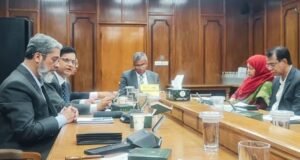
Speaking at a press conference held at the National Board of Revenue (NBR) building in Agargaon of the capital on Sunday, he said Bangladesh had inherited a “devastated economy”.
“There is no need to reiterate that the economy has collapsed. The tax-to-GDP ratio is at the bottom. We have inherited a broken economy, and our primary goal is to restore it by boosting revenue,” he said.
NBR Chairman Md Abdur Rahman Khan was also present at the briefing.
Titumir alleged that the previous Awami League government had inflated revenue figures, showing higher collections on paper that did not reflect actual receipts.
“On the one hand, looting and group-based control kept the tax-to-GDP ratio at a very low level; on the other, revenue figures were overstated, which had little connection with reality,” he said.
He noted that Bangladesh’s tax-to-GDP ratio remains among the lowest in the world, at below 7 per cent. The situation, he added, has been further complicated by recent geopolitical tensions in West Asia, particularly involving Iran, which have exerted additional pressure on the economy.
The adviser said the government is strengthening digital reforms and automation in tax collection. Efforts are underway to enhance the iBAS++ system to curb tax evasion and increase domestic resource mobilisation.
“Ensuring transparency in the tax system and presenting a realistic picture of GDP will allow us to achieve meaningful economic reforms,” he added.
Highlighting the current situation, Titumir said poverty levels have increased, making social protection a key responsibility of the government. Initiatives such as family cards have been introduced, alongside support programmes for imams, muezzins, priests, temple caretakers and Buddhist religious leaders.
Outlining the recovery strategy, he stressed the need to boost investment, saying increased investment would lead to higher production and employment, ultimately raising tax revenues without increasing tax rates.
He expressed optimism that revenue collection from the three main sectors—VAT, customs duties and income tax—would surpass previous records in the next three months (the fourth quarter). He also expressed confidence that the government would achieve higher revenue targets compared to last year.
According to the government’s plan, the tax-to-GDP ratio is expected to be gradually increased to 10 per cent and further to 15 per cent by 2035, he added.