Weekly Bangla Mirror | Bangla Mirror, Bangladeshi news in UK, bangla mirror news
Ansar Ahmed Ullah:
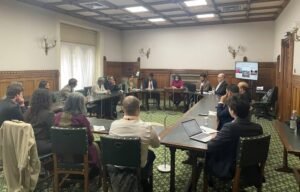
The All-Party Parliamentary Group (APPG) on Bangladesh has marked thirteen years since the Rana Plaza disaster with a meeting in the House of Commons focused on workers’ rights, labour protections and accountability in Bangladesh. Held on 18 May 2026 and hosted by Apsana Begum, Chair of the APPG on Bangladesh, the meeting brought together policymakers, academics, campaigners and members of the Bangladeshi diaspora to discuss the future of labour rights in Bangladesh and the international response to workplace exploitation and unsafe conditions.
The discussion commemorated the victims and survivors of the Rana Plaza collapse, one of the deadliest industrial disasters in modern history, while also examining recent developments in Bangladeshi labour regulations and the ongoing challenges facing garment workers.
Speakers included Mayisha Begum of the Rana Plaza Solidarity Collective, Daniel Blackburn, Director of the International Centre for Trade Union Rights, human rights lawyer and researcher Taqbir Huda, and Md. Warishul Islam, First Secretary at the Bangladesh High Commission to the United Kingdom.
Participants explored how the international community and the Bangladeshi diaspora could help ensure workers in Bangladesh are protected from exploitation, injury and unsafe working conditions. Discussions also focused on the importance of strengthening trade union rights, improving workplace safety standards and ensuring greater accountability from employers and global supply chains.
Commenting after the meeting, Apsana Begum MP said, “Thirteen years on, we must never forget the victims and survivors of the Rana Plaza collapse. In their honour, we must continue to campaign for true justice and accountability, including compensation, and work to ensure that such an incident is never repeated. The APPG is redoubling its efforts, calling for workers’ rights, health and safety in Bangladesh and around the world. We must amplify the calls from the grassroots in Bangladesh for public service investment, trade union rights, improved working conditions, equality for women, and religious freedom and a Bangladesh run in the interests of the people of Bangladesh.”