Weekly Bangla Mirror | Bangla Mirror, Bangladeshi news in UK, bangla mirror news
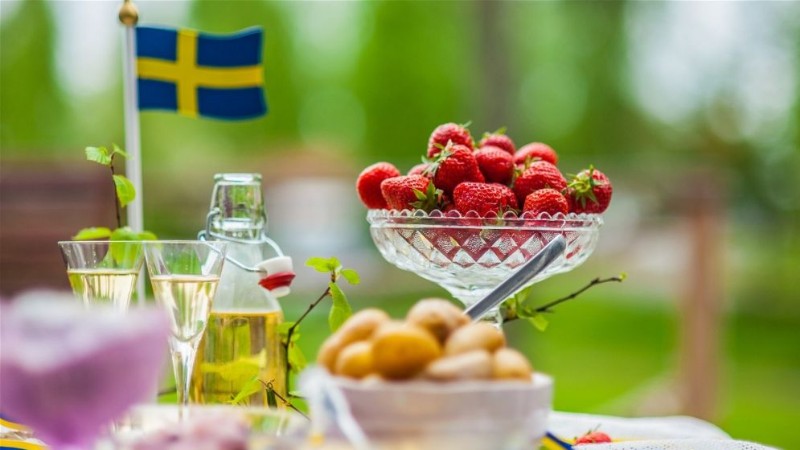
People across Scandinavia celebrated the traditional Midsummer Festival this week, marking the longest day and shortest night of the year with colourful cultural events, family gatherings and centuries-old customs.
Observed across Sweden, Denmark, Norway and Finland, Midsummer is one of the region’s most cherished seasonal celebrations. The festival, held between 19-25 June each year, officially welcomes the arrival of summer and highlights the unique natural phenomenon of extended daylight in the Nordic countries.
In Sweden, where midsummer is considered the country’s most important cultural celebration after Christmas, thousands of people left major cities to spend the holiday with family and friends in the countryside, coastal areas and summer cottages.
The centerpiece of the festivities is the traditional maypole, decorated with flowers and green leaves. Communities gather around the pole to enjoy folk music, traditional dances and outdoor games.
One of the most recognisable traditions is the popular “Små Grodorna” (The Little Frogs) dance, performed by children and adults alike.
Many participants wore handmade flower crowns, another iconic symbol of the celebration. According to Swedish folklore, collecting wildflowers on Midsummer Eve was believed to bring good fortune and even reveal future romance in dreams.
Traditional food also plays a central role in the festivities. Tables are filled with pickled herring, newly harvested potatoes served with dill, sour cream and chives, along with fresh strawberries and strawberry cakes, which are considered seasonal favorites.
Historians trace the roots of Midsummer back to ancient agrarian traditions, when communities celebrated fertility, growth and the arrival of the summer season. Over time, the festival evolved into a major cultural event that remains deeply embedded in Nordic identity.
The celebration is particularly special because of the region’s extended daylight hours. In northern parts of Sweden and Norway, the sun barely sets during this period, while areas above the Arctic Circle experience the Midnight Sun, where daylight continues around the clock.
Beyond its cultural significance, midsummer has become a major attraction for international visitors seeking to experience Scandinavian traditions firsthand. Public parks, museums and cultural centres across the Nordic region host special events featuring folk performances, crafts, music and family activities.
As communities gather under bright summer skies, the Midsummer Festival continues to symbolise nature, togetherness and the enduring traditions that define life across Scandinavia.