Weekly Bangla Mirror | Bangla Mirror, Bangladeshi news in UK, bangla mirror news


By Shafiqul Haque:
Today, I want to highlight the recent political changes in Bangladesh and the leadership responsibilities they bring, focusing on Tarek Rahman.
The Bangladesh Nationalist Party (BNP) has won a major electoral victory, opening a new chapter in the country’s politics and placing significant leadership responsibilities on Mr. Rahman.
But this change is not just a reflection of election results. It has emerged from the people’s expectations, the energy of the recent July movement, and the realities of leadership responsibility.
The hopes and sacrifices of the people on one hand, and the duties of leadership on the other, will shape the political landscape in the coming days.
Without the success of the July movement, this opportunity might not have arrived so swiftly. We are here not only because of votes, but also because of popular sacrifice, the spirit of the movement, and conscious, responsible leadership.
Awami League, India, and Long-Standing Trust
Over the past 15 years, the Awami League has dominated Bangladesh’s politics. Under Sheikh Hasina, relations with India continued, but many felt these ties benefited India more than Bangladesh.
BNP: Not an Alternative, but a New Path
Historically, the BNP has approached relations with India cautiously. In today’s geopolitical context, distance benefits no one. Responsible and predictable policies can maintain continuity in relations. The new government must demonstrate stability, dialogue, and respect for agreements.
Here lies BNP’s opportunity: instead of trying to be an “alternative friend” to India, it can establish a new relationship based on mutual respect and transparency.
The July Movement: The Foundation of Today’s Bangladesh
Today’s Bangladesh is not just the result of elections; it has reached this stage because of the July movement. Citizens’ protests, frustrations, hopes, and political energy together created a new reality.
Mr. Tarek Rahman faces a historic opportunity. He can stabilize the country through inclusive politics and dialogue. Potential measures include:
Parliamentary oversight of policy-making
Multi-party discussions in electoral and constitutional reforms
Engaging civil society and youth in policy processes
Short-term, revenge-driven politics may bring satisfaction, but it increases division in the long run.
Bangladesh is now in a complex geopolitical position, with India, China, and the United States active. Balanced diplomacy is essential. Relations should be based on mutual respect, transparency, and pragmatism.
The Road Ahead: Bangladesh stands at a crossroads of opportunity. The July movement accelerated the political timeline. To make this opportunity sustainable, institutional strength, moral responsibility, and inclusive leadership are required.
If the new government respects public expectations, maintains pragmatic relations with neighbors, and pursues inclusive reforms, this change can demonstrate Bangladesh’s political maturity.
We are here today because of the light of the July movement.
Preserving that light now depends on ethical leadership, consistent policy, and public trust.
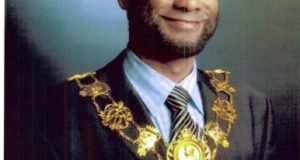
Writer
Advocate Shafiqul Haque
Former Mayor of Tower Hamlets
London Uk