Weekly Bangla Mirror | Bangla Mirror, Bangladeshi news in UK, bangla mirror news
The World Trade Organization (WTO) has reaffirmed its commitment to supporting Bangladesh’s trade and economic development through continued assistance in infrastructure, productive sectors, trade policy capacity building and export diversification.
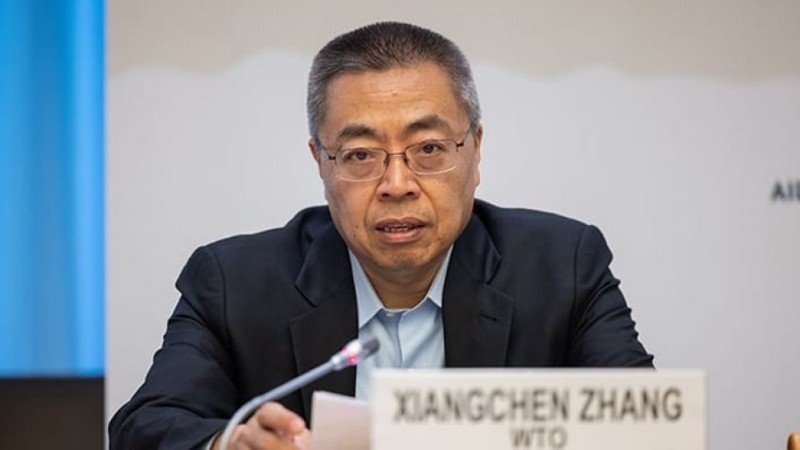
In an interview with BSS, WTO Deputy Director-General Xiangchen Zhang said Bangladesh has been one of the most significant beneficiaries of the Aid for Trade Initiative, reflecting strong cooperation between the country and its development partners in strengthening trade competitiveness and economic resilience.
According to OECD (Organisation for Economic Co-operation and Development) Creditor Reporting System data, Bangladesh received around US$2.6 billion in Aid for Trade disbursements between 2006 and 2024, making it the largest recipient among least developed countries during that period.
Zhang said nearly 68 percent of the support was directed toward economic infrastructure, particularly energy generation and transport, while around 30 percent was allocated to productive sectors including agriculture, banking and financial services.
About two percent supported trade policy and regulatory activities, he added.
“The emphasis on infrastructure and productive sectors is consistent with global Aid for Trade trends aimed at addressing supply-side constraints and enhancing trade capacity,” he said.
The WTO official noted that future support is expected to continue focusing on infrastructure development and productive sectors while increasing attention to trade policy, digitalisation and institutional capacity building.
He said strengthening trade policy design and implementation capacities would help Bangladesh make better use of market opportunities and respond effectively to the evolving global trading environment.
Highlighting WTO cooperation with Bangladesh’s Ministry of Commerce and other institutions, Zhang said the organization regularly provides technical assistance and training to Bangladeshi officials on a wide range of trade-related issues.
He noted that two recent WTO-supported activities were organized in Bangladesh in close collaboration with the Ministry of Commerce.
Following one programme on WTO notification requirements, he said, Bangladesh requested a specialized training programme on trade negotiation skills.
“We hope to organize this activity within the next few months,” Zhang said, adding that such initiatives would further strengthen the country’s ability to participate effectively in international trade discussions.
According to him, 281 Bangladeshi officials have participated in WTO technical assistance activities, including e-learning courses, advanced trade policy programmes, regional workshops and thematic training courses.
He also mentioned that seven young professionals from Bangladesh have benefited from WTO long-term placement programmes and internships, contributing to the development of future trade experts.
Addressing the challenges posed by global uncertainty and external economic shocks, Zhang said the WTO serves as a platform where members can discuss emerging trade concerns and seek cooperative solutions.
He pointed to the WTO’s Trade Monitoring Reports, introduced after the global financial crisis, as an important mechanism for enhancing transparency and monitoring trade-related measures affecting international commerce.
The WTO official cited the response of members during the COVID-19 pandemic as an example of how international cooperation helped maintain the flow of essential goods and supplies despite significant disruptions.
He also referred to the 2022 decision by WTO members not to impose export restrictions on food purchased by the World Food Programme for humanitarian purposes, describing it as an important contribution to global food security.
While Bangladesh remains widely recognized for its success in ready-made garment exports, Zhang observed that the country is making notable progress in diversifying its export base.
He referred to recent discussions involving Bangladeshi business leaders and policy experts at the WTO, which highlighted emerging opportunities in footwear, pharmaceuticals, jute products, plastics, home textiles, light manufacturing and digital services.
According to Zhang, greater investment in automation, design capabilities, intellectual property development and marketing strategies will be important for enhancing competitiveness and integrating more deeply into global value chains.
He also underscored the growing potential of technology-driven industries.
Bangladesh’s participation in segments of the global semiconductor value chain, he said, demonstrates the country’s capacity to generate high-value employment and develop new export sectors.
“Bangladesh is gradually building a more diversified production and export structure, creating new opportunities for growth and economic development,” he said.
The WTO Deputy Director-General expressed optimism about Bangladesh’s future trade prospects, emphasizing that continued investment in infrastructure, skills development, innovation and policy capacity would strengthen the country’s position in the global marketplace and support sustainable economic growth.