Weekly Bangla Mirror | Bangla Mirror, Bangladeshi news in UK, bangla mirror news

Ramadan is a sacred month for Muslims, marked by spiritual reflection, self-discipline and restraint. Fasting from dawn to sunset naturally changes daily routines and eating patterns, allowing the body to adapt to a different rhythm of metabolism and energy use.
With the arrival of Eid, however, the atmosphere shifts from restraint to celebration. Families and friends gather, homes fill with laughter, and dining tables are adorned with festive dishes. Sharing food becomes an important expression of joy, culture and hospitality.
In Bangladesh, Eid celebrations traditionally include rich and flavorful foods such as semai, polao, korma, kebab, dessert sweets, biryani and various deep-fried snacks. Red meat dishes are also widely enjoyed. While these foods are an integral part of the festive spirit, consuming them repeatedly over several days can place considerable strain on the body’s metabolism.
As a result, in the days following Eid, physicians and nutrition professionals often notice a familiar pattern. Many individuals experience sudden weight gain, worsening lipid profiles, elevated uric acid levels, poorly controlled blood glucose and increased blood pressure.
As a clinical dietitian, I observe a noticeable rise in such cases in my consultation chamber almost every year after Eid. The encouraging news is that these issues are largely preventable. With a few mindful adjustments in diet and lifestyle, the body can gradually return to metabolic balance.
Why Health Problems Increase After Ramadan and Eid
During Ramadan, although meal timing is limited, many people consume large portions during iftar and sehri. Once Eid begins, the tendency to indulge in calorie-dense foods-rich in sugar, saturated fat and salt-often continues for several days.
This sudden dietary shift can disturb the body’s metabolic equilibrium and lead to several health concerns, including:
* Increased triglycerides and LDL cholesterol
* Elevated uric acid levels due to excessive lentils pulses besan cheakpea red meat intake
* Increased insulin resistance, making diabetes harder to control
* Higher sodium intake leading to elevated blood pressure
* Accumulation of visceral fat around the abdomen
For this reason, the period after Eid can be considered an ideal time for a metabolic reset-a gradual return to balanced nutrition and healthier daily routines.
Starting the Day Right
A healthy morning routine can support digestion and metabolism. Drinking a glass of lukewarm water after waking up helps activate the digestive system.
A balanced breakfast may include whole-grain carbohydrates, protein, vegetables and fruit. For example, one or two whole-wheat flatbreads or a bowl of oats can be paired with a boiled egg, fresh vegetables such as cucumber or tomato, and a fruit like guava, apple or papaya.
About forty minutes later, a cup of unsweetened tea or green tea may be taken. This type of breakfast is rich in dietary fiber and has a low glycemic index, helping maintain stable blood glucose levels while keeping one full for longer.
Healthy Mid-Morning Choices
Many people habitually reach for tea and biscuits during mid-morning breaks. However, refined snacks can cause rapid spikes in blood sugar. Healthier options include a handful of soaked nuts, a seasonal fruit or a bowl of plain yogurt. Nuts provide beneficial fats and magnesium, which may help improve insulin sensitivity.
A Balanced Lunch Plate
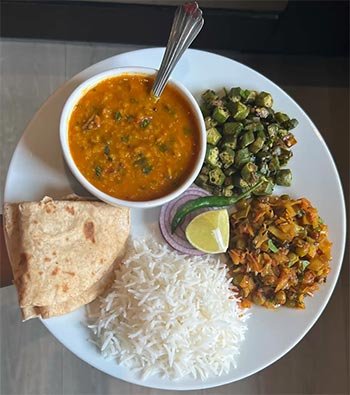
Lunch should follow a balanced plate approach. Half of the plate should consist of vegetables such as bottle gourd, bitter gourd, ridge gourd, pointed gourd or pumpkin. One quarter can include complex carbohydrates such as brown rice, whole-wheat roti, oats or barley bread. The remaining quarter should be protein sources such as fish, chicken or lentils. Fish and plant-based proteins support cardiovascular health, while excessive consumption of red meat may raise uric acid levels and should therefore be limited.
Smart Afternoon Snacks
Late afternoon hunger often leads people to consume sweets or fried snacks. Instead, healthier alternatives include soaked chickpeas, a small handful of nuts, fresh vegetable salad or light tea with lemon. These options provide sustained energy while preventing sudden fluctuations in blood glucose.
Keeping Dinner Light
Dinner should ideally be eaten at least two hours before bedtime. A light meal may include vegetable soup, a small portion of rice or one flatbread, fish or chicken and fresh salad. Avoiding heavy, oily foods at night can reduce fat accumulation and support better digestion.
Building Healthy Habits After Eid
Restoring health after festive indulgence does not require extreme measures. Instead, a few simple habits can make a significant difference.
Walking for at least 30 to 40 minutes daily supports weight control and improves metabolic health. Adequate sleep-around seven to eight hours per night-helps maintain hormonal balance and prevents excessive hunger. Drinking enough water, managing stress and undergoing regular health screenings for blood glucose, lipid profile and acid are equally important. Individuals with multiple metabolic conditions should ideally follow a personalized diet plan under professional guidance.