Weekly Bangla Mirror | Bangla Mirror, Bangladeshi news in UK, bangla mirror news
Collected Photo
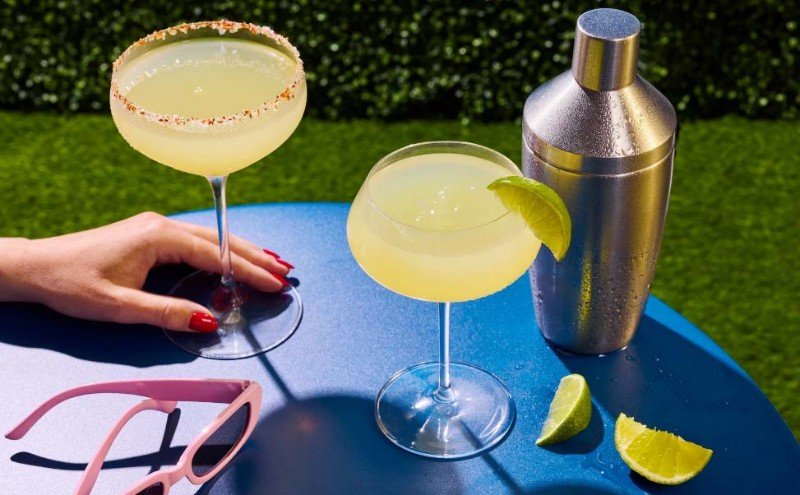
Zesty and uplifting, the margarita has as many origin stories as it has flavour variations. Its name is Spanish for daisy, which links it to a family of Victorian cocktails combining citrus juice, sweetened liqueur and a base spirit, and it has been known throughout its life as a tequila daisy, tequila sour and picador. First mentioned as a margarita in 1953, perhaps it honours the girlfriend of Mexican Hotel Garci-Crespo’s bartender Danny Negrete, or maybe it was coined by Doña Bertha of Bertha’s Bar in Taxco… whatever the true story, it’s hard to imagine that its creator foresaw how ubiquitous it would become. But how to make the ultimate version?
The spirit
“No matter what spirit you mix with, it should be of a high enough quality that you would happily sip it on its own,” says Daniel Craig Martin, co-founder of Bar Shrimp in Manchester. Most lean toward a clean, bright tequila blanco, with an agave-forward profile that won’t be overwhelmed by citrus.
Emma Murphy, co-founder of award-winning London agave bar Hacha, champions something crisp: El Rayo plata, Volcan de mi Tierra, Tiempo or Cazcabel all fit the bill. Renowned mixologist Ryan Chetiyawardana, aka Mr Lyan, reaches for Ocho and Tapatio as classics, Teremana or Don Julio for fruitiness, or Desdeya for pepper and minerality. Reposado tequilas are generally too dominant, though they can work in spicier twists.
Herbal, citrusy and peppery, El Rayo plata is my pick: it overdelivers at its price and – speaking from blurred memory – makes for a fun night.
The liqueur
The orange liqueur triple sec lends body and balances the sharp lime flavour with sweetness. For Max Venning, co-founder of Three Sheets Bars in London, this is best achieved by splitting triple sec with sugar syrup and by adding a touch of salt. “It made sense to reduce the orange flavour and focus on the quality in the tequila itself,” he says. He also loves a toreador, in which triple sec is swapped for apricot brandy – a twist dating back to the 1937 Café Royal Cocktail Book. At El Siete, a London bar focused on agave spirits, bar manager Lili Johnston blends three orange-flavoured liqueurs for depth. They’re High Fidelity, Briottet and Alma Finca, if you fancy cosplaying as a bartender, but at home, Cointreau remains a reliable standard.
The flavours
Some pros play around with acid solutions, but for the rest of us, fresh lime is best. For Chetiyawardana, it’s non-negotiable: “It has to be freshly squeezed; oxidised or old juice goes bitter and needs more sugar to balance things out.”
Many mixologists add another sweetener – often sugar or agave syrup. “It plays a crucial role, cutting through the sharp acidity and tartness of the lime,” says Johnston, “while mellowing the tequila, resulting in a more approachable drink.” I opt for agave syrup, keeping things in the same family as the tequila.